
If you work in a high-pressure role in New York, you already understand how important sleep is. You need to be able to think clearly and perform at your best. But long hours and high stress can make it hard to get the rest you need. That can make sleep feel like just another problem to solve.
Orthosomnia is characterized by the obsessive pursuit of “perfect” sleep, often through monitoring sleep tracking data. More than one in three American adults now use a wearable fitness and sleep tracker. But rather than improving their sleep like they’d hoped, research is showing that these trackers are often worsening anxiety and sleep issues.
It’s perfectly okay to use a sleep tracker. But when your life and mood start to become dictated by your sleep data, the pressure can make it even harder to get the rest you need.
Here’s what to know about orthosomnia, the risks vs. benefits of using a sleep tracker, and what the evidence says actually helps get better sleep.
Our concierge-style psychiatric clinic provides insomnia treatment in New York (Garden City and Midtown). Schedule a free consultation today.
What is orthosomnia?
Orthosomnia is a psychological term that’s used to describe the obsession with “perfect” sleep. It’s not officially recognized in the DSM as a mental health condition, and the term was only recently coined in 2017. Early research suggests that around 5% of the population experiences orthosomnia (this being a conservative estimate).
People with orthosomnia become so obsessed with getting optimal sleep each night that, ironically, they become unable to actually rest.
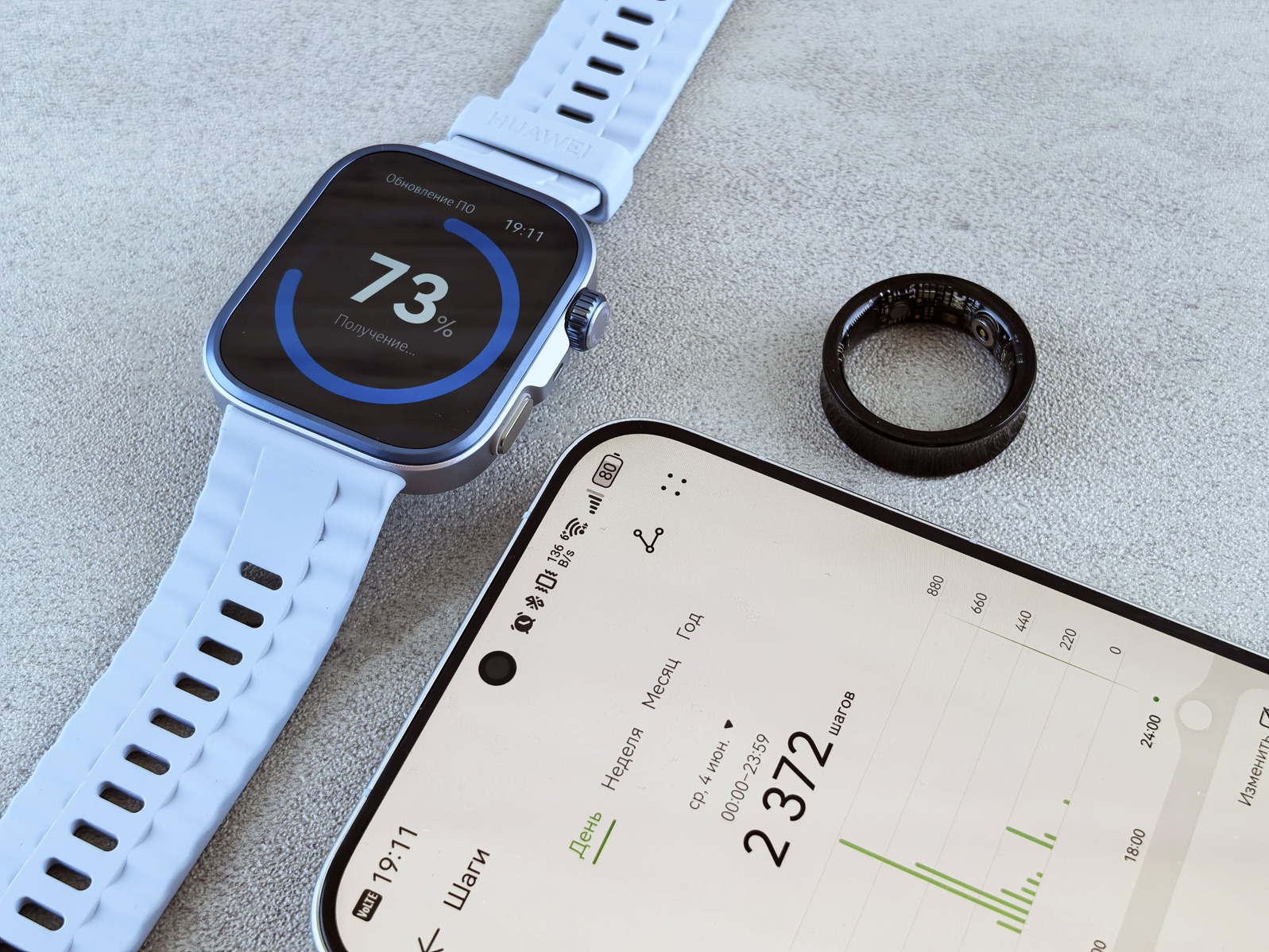
Orthosomnia is a relatively new phenomenon that’s at least partially driven by sleep tracking devices like the Oura ring. These wearable trackers were designed to provide you with data with the goal of helping you improve your sleep.
But emerging trends have shown that many people who use these trackers experience increased stress and anxiety. Ironically, this can increase your risk of developing sleep problems over time.
Signs and symptoms of orthosomnia
Because orthosomnia still isn’t recognized in the DSM, it doesn’t have official diagnostic criteria or list of symptoms. But a team of sleep medicine researchers recently proposed a clinical scale to measure the symptoms of orthosomnia. In their scale (Bergen Orthosomnia Scale), some of the symptoms include:
- You spend an excessive amount of time on your bedtime routine to ensure you get a good night’s sleep.
- You don’t allow yourself to deviate from your sleep routine, even under special circumstances.
- Your family and friends have become annoyed with you because of how much you talk about sleep. Your relationships have been negatively impacted by your obsession with sleep.
- Your sleep habits get in the way of your life. For example, you often can’t attend social events because they’ll interfere with your sleep routine.
- You only feel at peace when you’re able to follow your sleep routine. When you can’t, you feel anxious and stressed.
- Thinking about and worrying about sleep takes up a lot of your time.
- You wear a sleep tracker and strongly believe that this will help you achieve perfect sleep. You are obsessed with checking sleep tracker data and measuring it against what you’ve read is “optimal.”
- You feel guilty or overwhelmed when you don’t sleep as well as you’d hoped.
Orthosomnia vs. insomnia
Orthosomnia and insomnia are related, but not the same thing. Insomnia is a recognized and common sleep disorder characterized by significant difficulty falling and/or staying asleep. Orthosomnia has more to do with the obsession with data.
But orthosomnia symptoms can present as insomnia, and it’s possible to live with both. Ironically, the time and effort that people with orthosomnia put into perfecting their sleep can lead to insomnia symptoms over time.
The pressure to reach a target sleep score can increase the mental and physical alertness that keeps you awake. You may also spend longer in bed trying to increase your total sleep time, which can weaken the association between your bed and actual sleep. People with orthosomnia often present with symptoms like waking up during the night, waking up too early, and not being able to fall back asleep.
The potential risks of using a wearable sleep tracker
So is your Oura ring entirely to blame for orthosomnia? Not necessarily. But one recent study found that 18% of people using sleep trackers experienced increased anxiety about their sleep. Only 15% reported actually sleeping better after starting to use them.
Our goal is not to discourage you from using trackers completely. But here are some potential risks that are important to consider.
- Overestimating the accuracy of tracker data. Consumer sleep trackers infer sleep from movement and physical signals such as heart rate. But they’re far from perfect. Research has found that these devices were only around 50 to 80% accurate in distinguishing between sleep stages.
- Becoming too dependent on your devices. Nomophobia describes excessive distress about being without access to your phone. Research has found a link between nomophobia and insomnia, although this doesn’t prove that sleep tracking causes either condition.
- Experiencing more sleep-related anxiety. There’s also the risk of hyperfocusing on your sleep patterns. Normal fluctuations in sleep can start to feel like failures when you treat your sleep score as an all-or-nothing target. If you already live with a sleep disorder like insomnia, this anxiety can make symptoms worse.
- Delaying a professional sleep evaluation. A reassuring sleep score may convince you to dismiss symptoms that deserve medical attention. You might also feel that you don’t need to get a professional sleep study because your tracker provides you with enough information.
Benefits of sleep trackers
This doesn’t mean that sleep trackers are “bad.” In one survey, 78% of people who had used one said they found it helpful. Many also reported changing their behavior based on the data.
A tracker may help you notice broad patterns over time. It can also encourage you to prioritize sleep if you have spent years constantly sacrificing it.
But subjective helpfulness doesn’t necessarily mean that the data is precise. The data also cannot replace a professional sleep evaluation and diagnosis. A sleep tracker should be used as one tool among many. Be careful about relying on it entirely.
Treatments that actually help you sleep better
If you are experiencing signs of orthosomnia, then it’s clear that your health and well-being are important to you. But obsessively pursuing perfect sleep, reflected in sleep scores and data, may be harming your sleep quality in the long run.
Sleep trackers may help some people improve their sleep. But there are other, more effective sleep improvement methods that have been proven by research.
Here is what research says actually helps improve sleep.
Medication
Prescription medication can reduce insomnia symptoms, particularly when they’re severe or short-term relief is needed. The right medication option may depend on whether you have trouble falling asleep or staying asleep, along with your medical history and other symptoms.
Sleep medications can have side effects, and some can cause dependence or next-day impairment (like grogginess). A psychiatric provider can help you weigh these risks against the potential benefits based on your specific health needs.
For chronic insomnia, medication generally works best as part of a broader treatment plan.
Exercise
Regular exercise can improve perceived sleep quality and reduce insomnia symptoms. A systematic review and meta-analysis found that exercise interventions improved several measures of insomnia.
Sleep hygiene
Sleep hygiene refers to daily habits that support your body’s natural sleep patterns. For example, set a consistent wake time. Keep your bedroom dark and quiet. Limit caffeine later in the day, and give yourself time to transition out of work mode before bed.
These habits can create a useful foundation, but they’re typically not enough on their own, especially if you live with a sleep disorder.
Cognitive behavioral therapy for insomnia (CBT-I)
CBT-I is considered the first-line treatment for chronic insomnia. It addresses the thoughts and behaviors that can keep sleep problems going.
Interventions may include stimulus control and a carefully planned form of sleep restriction. It can also help you challenge unhelpful thoughts about sleep such as, “If I don’t get eight hours tonight, I won’t be able to function tomorrow.” These types of thoughts often come along with orthosomnia.
Addressing underlying factors
A psychiatric provider or sleep specialist can look beyond your tracker data to determine what may be interfering with your sleep. Treating the underlying problem is usually more effective than continuing to adjust your routine based on the numbers.
For example, you could be dealing with underlying mental health conditions like depression or anxiety. Physical health conditions, like chronic pain or sleep apnea, can also play a role.
Psychiatric care and insomnia treatment in Garden City and Manhattan
At the Lieberman Center for Psychotherapeutics, we provide discreet, concierge psychiatric care for high-stakes professionals in New York. We treat insomnia and sleep-related anxiety with plans based on your specific needs.
If your symptoms suggest another sleep disorder (like sleep apnea), we can also help you determine what type of testing or specialist care may be appropriate. Contact us to learn more about personalized insomnia treatment in New York or to schedule a consultation.